
What is GLP-1 microdosing? A complete guide to lower-dose therapy
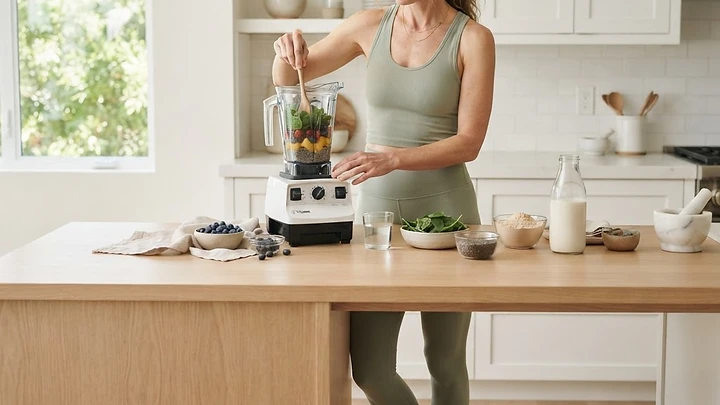
GLP-1 medications are best known for weight loss — but not everyone is looking for maximum appetite suppression or rapid results. Increasingly, patients are asking about GLP-1 microdosing: a lower-dose approach using smaller amounts of semaglutide or tirzepatide, designed for gentle appetite regulation and metabolic support while potentially minimizing side effects. Research specifically on microdosing protocols is still early — most GLP-1 evidence comes from standard therapeutic doses, and individual responses vary. At Opimus Health, clinician-supervised microdose options come in both weekly injections and daily needle-free sublingual formats, so you can choose what fits your life.
What is GLP-1 microdosing?
GLP-1 microdosing means using lower-than-standard doses of GLP-1 medications such as semaglutide or tirzepatide. Instead of escalating toward higher maintenance doses, the treatment plan stays at lower levels based on your goals and clinical response. For many patients, the objective isn't maximum weight loss — it's:
- Appetite regulation and healthier eating habits
- Metabolic wellness
- Long-term weight maintenance
- A gradual introduction to GLP-1 therapy
Because goals differ from person to person, the “right” dose isn't always the highest one.
How do GLP-1 medications work?
GLP-1 (glucagon-like peptide-1) is a naturally occurring hormone involved in appetite and blood sugar regulation. Semaglutide mimics GLP-1, while tirzepatide activates both GLP-1 and GIP receptors. These medications may help increase fullness, reduce hunger, slow stomach emptying, and support healthier eating patterns. A microdose uses the same biological pathways — just at lower exposure than standard therapeutic dosing.
Why are people interested in microdosing?
Many patients want a treatment that feels gradual and fits everyday life rather than the strongest possible appetite suppression. The most common reasons people explore GLP-1 microdosing:
- A gentler introduction — see how your body responds before considering higher doses
- Mild appetite support — help with snacking, overeating, and food cravings rather than dramatic hunger reduction
- Weight maintenance — supporting healthy habits after reaching a personal weight goal
- Metabolic wellness — GLP-1 therapy as part of a broader focus on nutrition, movement, and sleep
- Flexibility — personalizing treatment goals instead of pursuing maximum suppression
What about inflammation?
You may have seen claims online that GLP-1 microdosing reduces inflammation. This is an area of active scientific interest — studies of GLP-1 medications have observed changes in certain markers associated with inflammation and metabolic health, and researchers continue to investigate effects beyond weight and blood sugar. However, research specifically evaluating microdosing for inflammation is limited. For now, inflammation support is best described as a promising area of ongoing research, not a proven benefit.
Microdose vs. full-dose GLP-1 therapy
Both approaches use the same medications, but with different intended goals:
| Microdose approach | Full-dose approach | |
|---|---|---|
| Medication exposure | Lower, steady doses | Standard therapeutic dose escalation |
| Appetite effect | Gentle appetite support | Often stronger appetite suppression |
| Typical goal | Maintenance and metabolic wellness | Active weight management |
| Experience | Gradual by design | Maximum clinically appropriate effect |
| Starting price at Opimus | From $138/mo | From $212/mo |
Neither approach is inherently better. The right choice depends on your objectives, how you respond to treatment, and your clinician's recommendations.
Injection or needle-free sublingual?
One advantage of choosing Opimus Health is having more than one way to take your microdose. Weekly injections offer a familiar, consistent once-a-week routine with an established administration method. Daily sublingual drops — held under the tongue each morning — offer a needle-free option that fits alongside other wellness habits. Both are clinician-supervised and compounded by state-licensed US pharmacies; your clinician will guide dosing for whichever format you choose.
What should you expect?
Even at lower doses, GLP-1 medications can affect appetite and digestion. Many patients notice feeling satisfied with smaller meals, reduced snacking, fewer cravings, and more consistent eating habits. Side effects are also possible — nausea, constipation, diarrhea, stomach discomfort, and reduced appetite are the most common. Some people find lower doses easier to tolerate, but that isn't guaranteed; everyone responds differently regardless of dose. Your clinician monitors your progress and adjusts your plan over time, supported by a lab panel 60–90 days after starting and annually after that.
A microdose may be worth discussing if you…
There isn't a one-size-fits-all answer, but a lower-dose plan may fit if you:
- Want a gradual introduction to GLP-1 therapy
- Prefer mild appetite support over maximum suppression
- Are maintaining healthy habits after reaching a weight goal
- Want the choice of a weekly injection or a daily needle-free sublingual
A full-dose plan may be worth discussing if you…
Standard therapeutic dosing may be the better conversation if you:
- Want to follow a standard dose-escalation schedule
- Are seeking stronger appetite suppression (recognizing responses vary)
- Are comfortable progressing to higher doses when clinically appropriate
- Have substantial weight management goals
Your prescribing clinician helps determine which approach matches your goals and medical history. Microdosing should always be part of a clinician-supervised plan — never a self-directed dosing strategy.
Why choose Opimus Health?
GLP-1 therapy should include quality, safety, and ongoing support — not just a medication. At Opimus you get clinician-supervised care throughout treatment, medications compounded by state-licensed US pharmacies, microdose semaglutide and microdose tirzepatide in both injection and sublingual formats, and ongoing clinical oversight to keep your treatment aligned with your goals.
Frequently asked questions
What is GLP-1 microdosing?
An emerging treatment approach that uses lower doses of medications such as semaglutide or tirzepatide. Depending on your goals and clinical guidance, it may support appetite regulation, metabolic wellness, or long-term weight maintenance.
Does GLP-1 microdosing work?
Research specifically on microdosing is still limited. Standard-dose GLP-1 medications have been studied extensively, but more research is needed to understand the benefits and limitations of lower-dose strategies. Individual responses vary and results are not guaranteed.
Is microdosing better than full-dose GLP-1 therapy?
Neither is universally better. A microdose may appeal to those seeking a gentler, maintenance-focused experience, while standard dosing may suit more substantial weight management goals. The right choice depends on your health history and your clinician's recommendations.
Can I take GLP-1 microdoses without injections?
Yes. At Opimus Health, microdose semaglutide and tirzepatide are available as daily needle-free sublingual formulations as well as weekly injections — you choose the format that fits your preferences.
Who is a good candidate for GLP-1 microdosing?
People interested in a gradual approach, weight maintenance, or mild appetite support may want to discuss microdosing with a clinician. Eligibility depends on your medical history, treatment goals, and clinical evaluation.
Curious if it's right for you?
Start with a short online visit — a licensed clinician reviews your history before anything is prescribed.
This article is for general information only and does not provide medical advice. Prescription products require evaluation by a licensed clinician. Individual results vary and are not guaranteed.